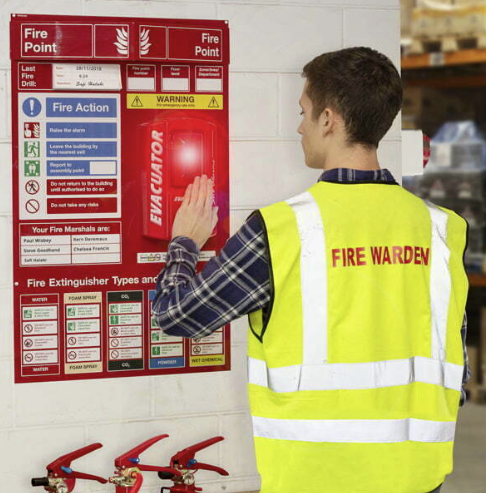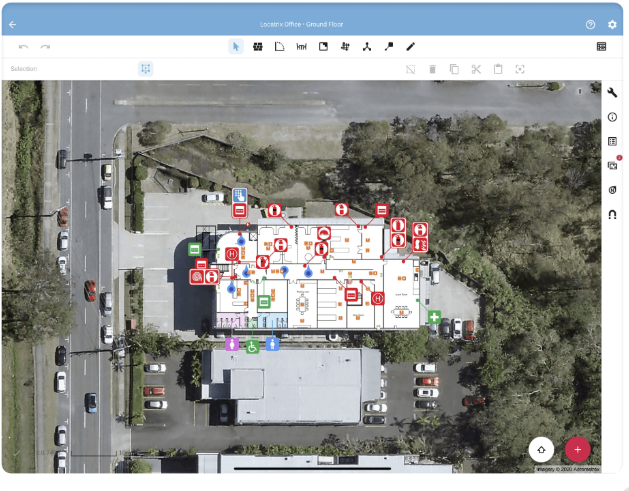

Workplace Compliance Audits & Fire Safety Advisory
Independent workplace audits to identify gaps and document compliance with AS 3745 – Planning for Emergencies in Facilities.
1. Australian Standard 3745 – Planning for Emergencies in Facilities
AS 3745:2010 (with 2018 amendments) is the key standard for emergency planning in workplaces and facilities. It requires organisations to:
Establish an Emergency Planning Committee (EPC): Responsible for developing, implementing, and maintaining emergency plans.
Develop and maintain an Emergency Plan: This must include procedures for fire, bomb threats, chemical incidents, medical emergencies, and other foreseeable events.
Form an Emergency Control Organisation (ECO): Chief Warden, Wardens, and other roles to control and coordinate evacuations.
Provide training and instruction: Staff must be trained in emergency procedures, including evacuation drills at least once a year.
Maintain compliance documentation: Emergency plans, evacuation diagrams, drill reports, and training records must be kept current.
Regular reviews and assessments: The EPC must review the emergency plan annually or after any significant change.
2. Compliance Assessments
A compliance assessment aligned with AS 3745 generally involves:
Gap Analysis: Checking if the site meets AS 3745 requirements (plans, ECO, EPC, training, diagrams).
Risk Assessment: Identifying hazards that may impact emergency management (e.g., obstructions, fire equipment condition, signage).
Documentation Review: Examining existing emergency plans, diagrams, training records, and EPC minutes.
Practical Testing: Observing evacuation drills and warden responses to confirm competence.
Corrective Actions: Recommending improvements to achieve compliance.
Deliverables often include:
A Compliance Report outlining current status.
A Corrective Action Plan with priorities and timelines.
Updated or newly developed Emergency Plans and Diagrams if required.
3. Fire Safety Adviser (FSA) Role
Under Queensland Building Fire Safety Regulation 2008, certain buildings (Class 2–9, >30 staff) must appoint an FSA. Their responsibilities include:
Acting as the appointed compliance officer for fire safety matters.
Advising on compliance with legislation (AS 3745, AS 1851, BFSM 2008).
Supporting the EPC and ECO with planning, training, and drills.
Maintaining records of fire safety activities (drills, diagrams, training).
Liaising with QFES and other authorities during inspections or incidents.
An FSA typically conducts:
Site audits and compliance assessments.
ECO and warden training.
Fire & evacuation plan reviews.
Drill supervision and reporting.
4. How BDA Training + Fire Safety Advisors QLD Could Deliver
For your business context, you could offer:
Annual Compliance Assessments aligned with AS 3745.
Emergency Plan Development & Review (tailored to the client).
ECO/Warden Training & Drills (PUAFER005/006 courses).
FSA Appointment Services on a retainer or contract basis.
Audit & Reporting Packages for organisations to present to QFES or insurers.